This content is also available in Spanish >>>
Walking is something most of us do, no matter our age, income, background, or ethnicity. You would be forgiven for thinking that transport planners know all about it and have used that knowledge to sort our streets, so that they are accessible and pleasant for all those diverse users.
Surprisingly though, it is still not well understood how specific features of the built environment influence people’s perceptions and behaviours (such as for instance choosing or not to walk to a nearby destination).
This is a problem, because we want to move in a carbon-neutral way, yet our street environments might make walking feel unpleasant, dangerous, or even non-feasible for some. And without understanding what the issue is, there is a risk of “making nice places nicer” while failing to address what really matters.
Investigators from the University of the West of England, Auckland University of Technology, the University of Auckland and the National University of San Martin are working on the project Walking Environments and Experiences – WalkEE (birthname “Mobile digital technology as a tool to study walkability to advance theory, policy, and practice of walking for transport”).
The project investigates the associations between objective features and perceptions in three very different locations: Bristol, Auckland, and Buenos Aires, using an innovative walking app (Go Jauntly).
Data gathering is now open and everyone is invited.
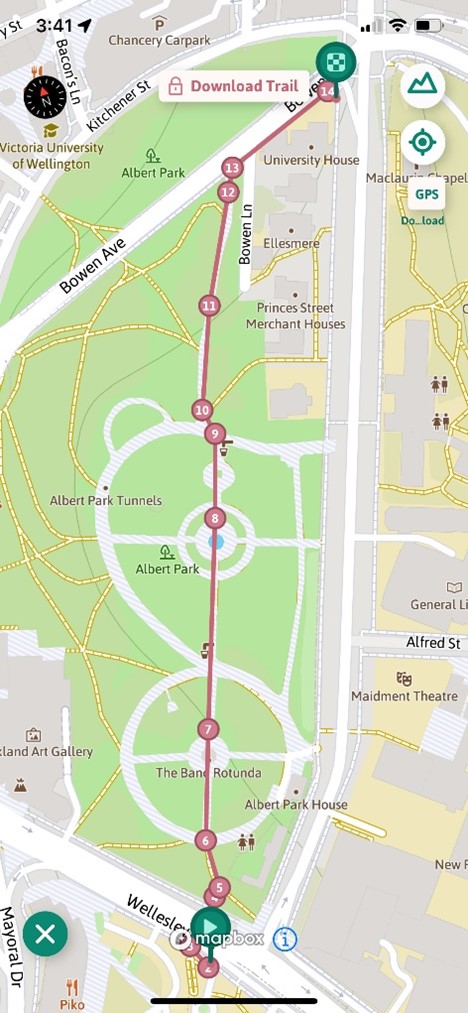
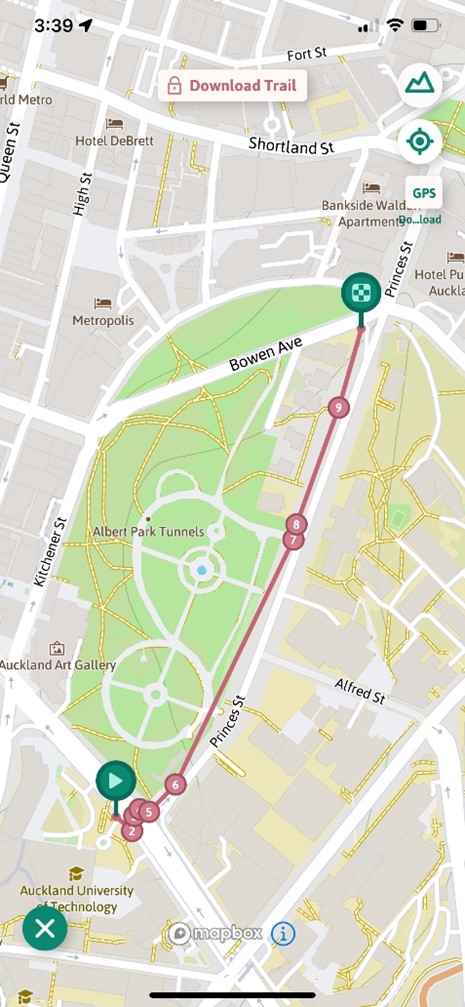
 WalkEE - Walking Environments and Experiences